

by Grace Cajski, Pacific East CC
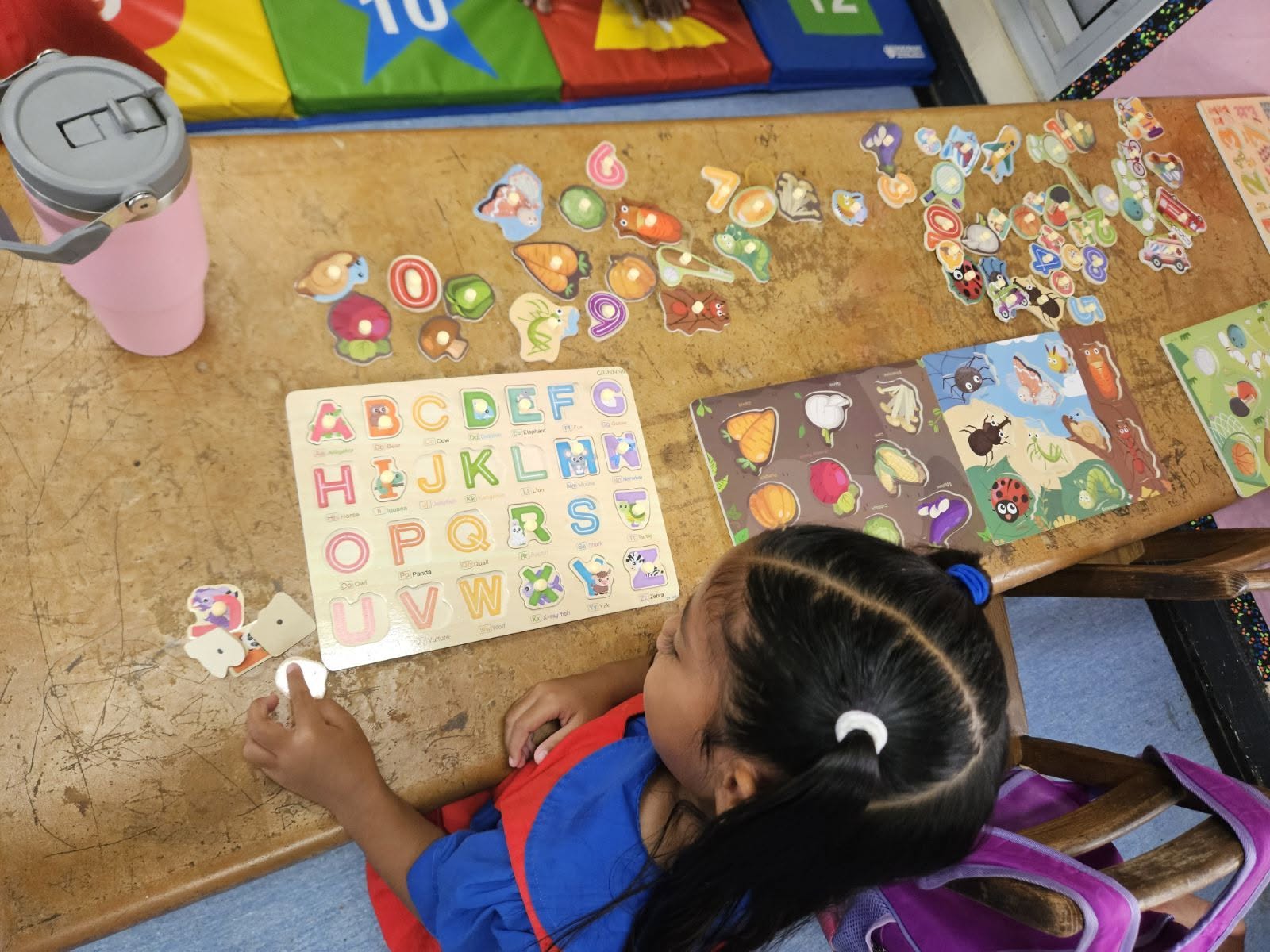
In the Republic of the Marshall Islands (RMI), the structure of schooling looks very different from what most people imagine when they think about a classroom. Schools are spread across 29 atolls and five island groups, made up of more than a thousand islets—many of them remote and difficult to access. On about 60 of these remote inhabited islands, public elementary schools serve small and dispersed communities. These microschools can have 20 or fewer students, with one teacher providing education to multiple grades and ages at once.
Historically, this model has been driven by the logistic and economic challenges of operating an education system for a shrinking remote, rural student population. During the Pacific East Comprehensive Center (Pacific East CC) advisory board meeting, however, the conversation veered toward changing this framing—from one driven by necessity to one defined more by possibility.
Dr. Natalie Nimmer, commissioner of education for the RMI Public School System, framed the issue: The challenge of multi-grade classrooms, she explained, is not new. It has existed for generations. What is new is the opportunity to approach it differently:
“This project has the potential to transform the mindset.”
Rather than treating these classrooms and the structure of schools as a deficit, the project is exploring how they can be strengthened and refined into serving as a model in their own right.
In practice, multi-age classrooms already function in ways that many formal systems try to replicate:
- Older students support younger ones.
- Learning happens across age groups rather than in isolation.
- Students develop responsibility and leadership over time because they are part of a shared learning environment, not just a cohort moving through a system.
Multi-age classrooms can work. What they have lacked are the supports needed to run them well. Teachers are often asked to manage several grade levels at once without access to training or materials designed for that context. In many instances, they are doing complex instructional work without formal preparation for it.
Pacific East CC is well positioned to partner with local remote communities to address that gap. It plans to develop resources built specifically for multi-age teaching, provide training that supports teachers working in these settings, and design curricula that function across grade levels rather than forcing teachers to adapt single-grade materials to fit.
Dr. Elizabeth Switaj, vice president for academic and student affairs at the College of the Marshall Islands (CMI), highlighted what the project will need to do to effect successful systems change. The project cannot merely focus on improving instruction; rather, it must align education with the realities of life in the Marshall Islands, where schools are not separate entities from the communities they serve. After all, land is held and stewarded across generations and students grow up in places where connections to community and environment are central.
Within that context, the purpose of delivering education extends beyond having students meet academic benchmarks. As discussed during the meeting, students aim to become self-reliant, to contribute to their communities, and to navigate both local and global contexts. To do so, they must develop bicultural and bilingual competencies, as well as practical “island skills,” alongside their academic learning. That framing reflects a shift that goes beyond instructional strategy; rather, it is about recognizing that education systems do not need to look the same everywhere to be effective.
Dr. Nimmer summed up the group’s aspirations:
“I hope that we are able to develop a model of multi-age education that allows students to thrive, enables teachers to feel confident, and allows communities to be supportive of the school.”