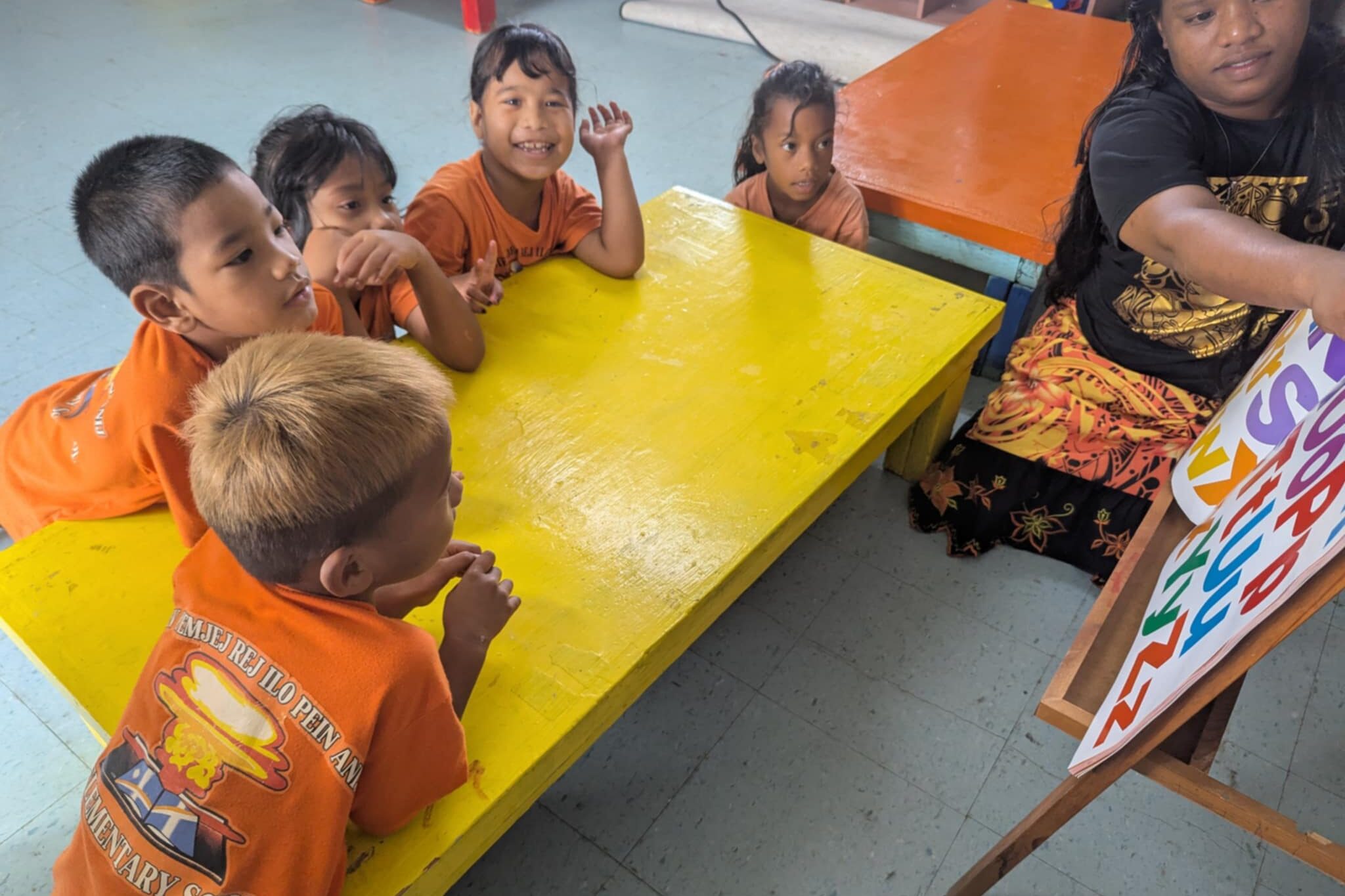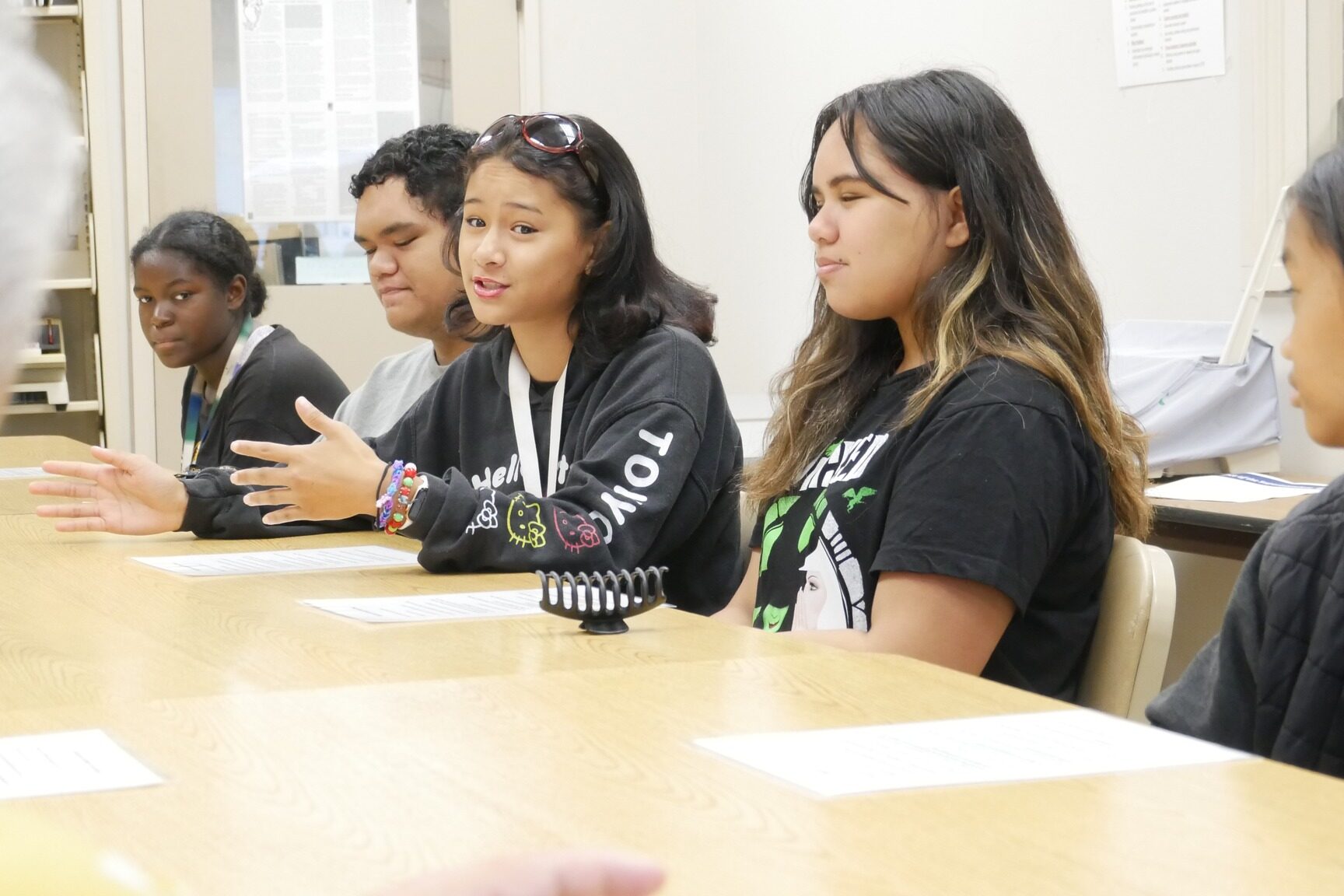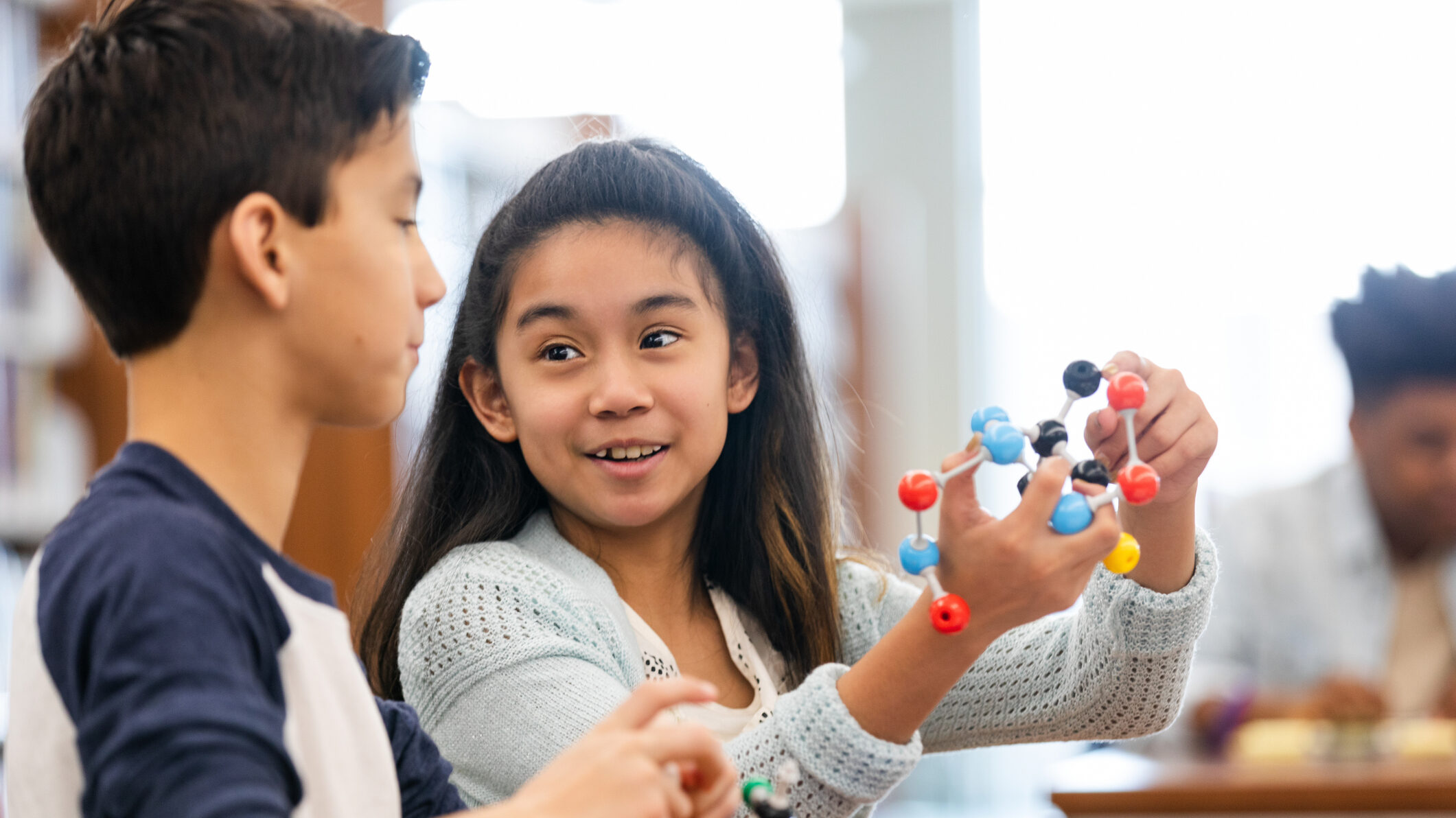
The Pacific East Comprehensive Center partners with the Hawaiʻi Department of Education (HIDOE) to strengthen coherence in science education statewide — identifying system strengths and gaps, developing a Science Implementation Change Package aligned to the Next Generation Science Standards (NGSS), and supporting professional learning and continuous improvement processes that advance high-quality science teaching and learning.
The High-Leverage Problem
Overall science proficiency in Hawaiʻi remains below 50 percent and varies widely across schools and complex areas. This variability reflects inconsistent access to high-quality instructional materials, professional learning, and assessment practices aligned to the NGSS.
Background
The NextGenScience Science Policy Survey Report (2023) highlights that Hawaiʻi, like most states, is still in the process of building system-wide coherence across standards, curriculum, instruction, and assessment. Without such coherence, teachers and schools face challenges in implementing science instruction with consistency and fidelity, and the system lacks clear feedback mechanisms to monitor progress or scale effective practices.
Why does this High-Leverage problem matter?
Strengthening science instruction through the identification and implementation of evidence-based, standards-aligned practices can improve student achievement not only in science but also in literacy, numeracy, and civics. Scientific inquiry, data analysis, and reasoning develop transferable skills that benefit learning across all disciplines. Focusing on system alignment in science education therefore has the potential to advance both subject-specific proficiency and broader academic growth across Hawaiʻi’s schools.
How will HIDOE improve science instruction?
Pacific East CC and HIDOE will partner to conduct a comprehensive needs assessment to identify strengths, gaps, and priority leverage points across science standards, instructional materials, professional learning, and assessment practices. Findings will directly inform the development of a Science Implementation Change Package defining recommended practices, professional learning structures, and monitoring indicators aligned to both NGSS and HIDOE’s Learning Design Framework.
The Pacific East CC will support HIDOE in piloting, refining, and expanding the change package through professional learning, coaching, communities of practice, and continuous improvement cycles.
What will this project achieve?
HIDO’s work with the Pacific East CC is expected to produce the following outcomes:
- Strengthened educator and leader knowledge of NGSS-aligned instruction
- Established shared routines for planning, reflection, and data use
- Aligned instructional materials and implementation tools
- Science indicators embedded into HIDOE guidance and monitoring systems
Key Hawaii leaders
- Kuuleianuhea Awo-Chun, Director of Education and Culture Based Learning, Office of Hawaiʻian Affairs
- Dewey Gottlieb, National Assessment of Educational Progress (NAEP) State Coordinator in the HIDOE, HIDOE
- Patricia Ishihara, Office of Curriculum and Instructional Design (OCID) Math Specialist, HIDOE
- Shaun Kaanoi, OCID Math Specialist, Hawaii Department of Education
- Chelsea Keehne, Senior Project Manager, Kamehameha Schools
- Teri Ushijima, Assistant Superintendent, Office of Curriculum and Instruction, HIDOE
Contact us
Kai Mead, HLP Lead, Pacific East Comprehensive Center
[email protected]
Rebecca Jones, HLP Lead, Pacific East Comprehensive Center [email protected]
HLP resources
Coming soon!